
THE STEWARDS
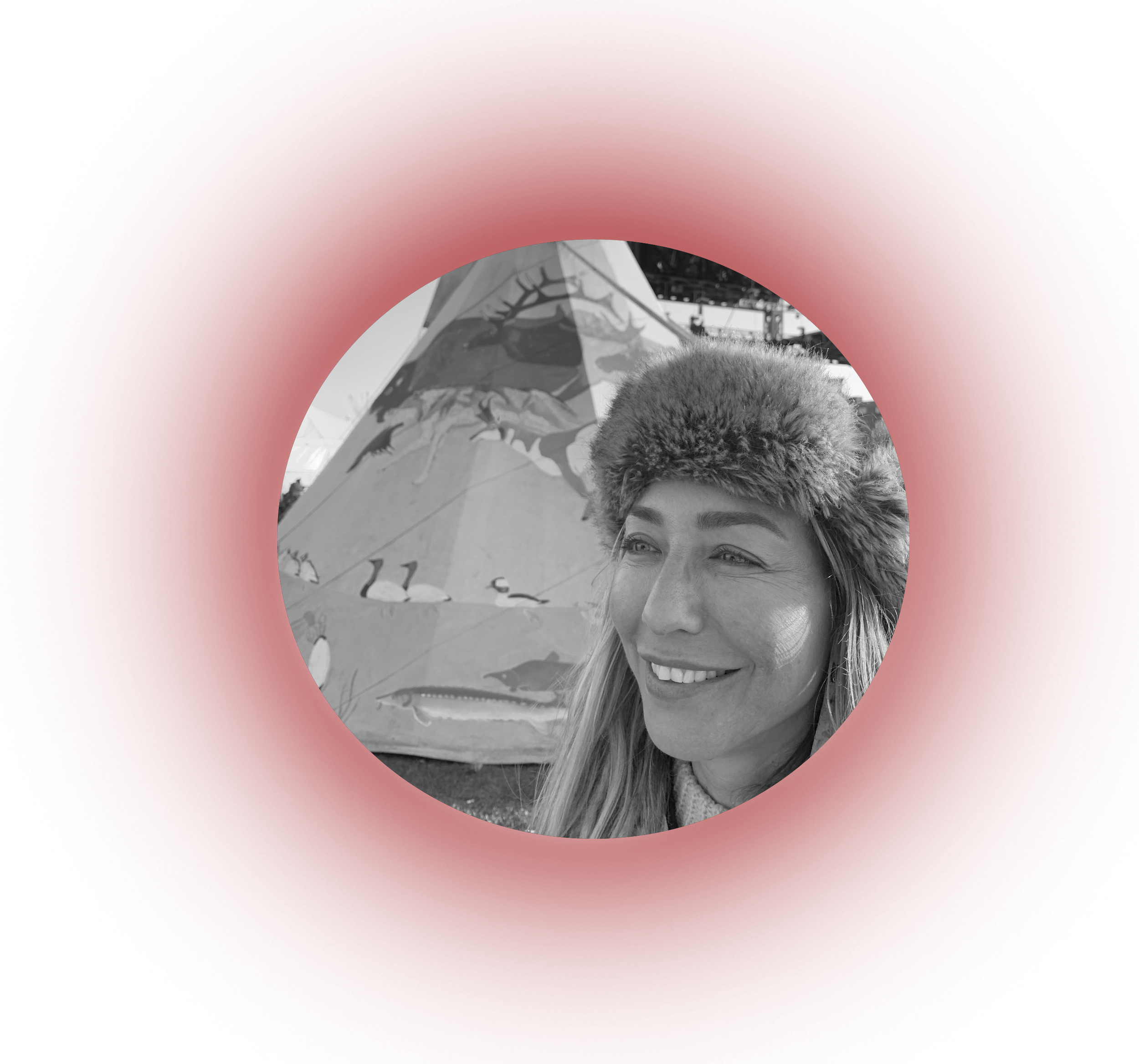
Ariel Waagosh
FOUNDING DIRECTOR AND CONVENER
Ariel Waagosh (she/they) is the Founding Director of Gwekwaadsing // Walking in a Good Way. An Anishinaabe lawyer, peacemaker, and community leader, Ariel co-captained a highly-acclaimed and women-led law firm for ten years, shaping California’s policy landscape. In 2023, Ariel returned to her tribal homelands in Michigan (Anishinaabeaki), where she now champions efforts locally, statewide, and nationally to resource Indigenous-led community projects.
Ariel’s work spans more than two decades at the intersections of law, culture change, and healing justice, with national and international reach. Across her work and thought leadership, she centers cultivating healthy futures and communities of care, with a particular focus on peacemaking, land, cultural renewal, and relational leadership. She co-stewards the Black & Indigenous Re-Storying Initiative, building allyship through land and culture-based circle practice. Through a year-long collaboration of deep listening with community leaders, Listening to the Land emerged as a collective offering honoring kinship across Turtle Island. She recently served on an innovative working group developing a model for incorporating Nature into the governance of an international arts organization, and helps to lead peacemaking convenings and transformative-bridging work in the U.S. and abroad.
Ariel has received significant professional and public recognition, including Rolling Stone naming her one of 18 “Women Shaping the Culture of Tomorrow.” Her work and perspectives have been featured or quoted in The Wall Street Journal, The New York Times, Associated Press, POLITICO, CNN, Rolling Stone, Los Angeles Times, San Francisco Chronicle, Law360, and Daily Journal, among others. She speaks regularly at conferences, gatherings, and in academic settings including Columbia, Yale, Harvard, UCLA, Berkeley, and Michigan State University. Her writing has explored, among other subjects, Rights of Nature as a means of protecting sacred plants and traditional cultural knowledge.
Ariel works closely with Life Comes From It, a Black, Brown, and Indigenous-stewarded grassroots grantmaking organization. She serves on the boards of Benefit Honoring, an organization dedicated to building a global community rooted in Indigenous traditional lifeways and biocultural preservation, and Urban Indigenous Collective, a health and wellness services organization. She is also a member of Roots To Sky Sanctuary, a Black, Brown, and Indigenous-stewarded, land-based healing justice community project. Alongside this work, Ariel sings with Wiingashk Negamajig Kwe’ok (Sweetgrass Women Singers) and facilitates a weekly women’s circle at Nokomis Cultural Heritage Center. Her hand drum is among her greatest teachers. These relationships—with Elders, community, culture, land, and water—remain central to how she understands leadership and responsibility.
Ariel graduated with high honors from the University of Michigan and earned her JD from Berkeley Law. She is an enrolled Tribal citizen of the Grand Traverse Band of Ottawa & Chippewa Indians.
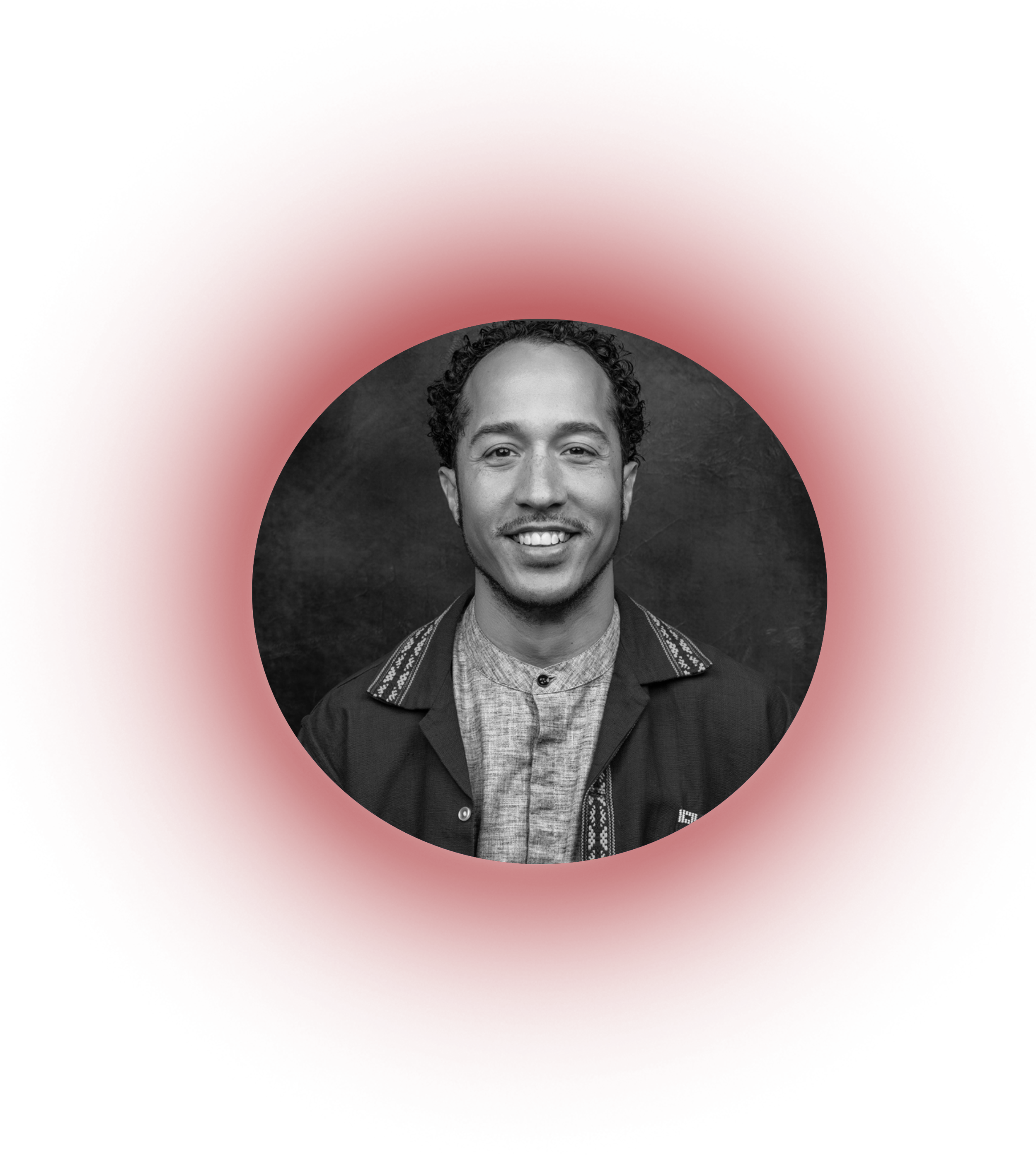
Roman Haferd
CO-FACILITATOR
CO-DIRECTOR / BLACK & INDIGENOUS RE-STORYING PROJECT
Robert "Roman" Haferd (he/him) is co-originator and co-directs Gwekwaadsing’s Black & Indigenous Re-Storying Project. Roman is a restorative justice practitioner, civil rights attorney, farmer, and student of healing. He serves as the Executive Director of Restorative Arlington, a veteran team of practitioners that has brought restorative diversion to Arlington County and beyond through its award-winning Heart of Safety program. Roman is an adjunct professor of law at Georgetown Law School, and remains engaged as a restorative justice facilitator, innovator and trainer, having facilitated and overseen hundreds of restorative justice conferences in criminal and uncharged cases diverted from traditional prosecution, including serious violent offenses. Prior to Restorative Arlington, in 2017 Roman was hired as the first Restorative Justice Coordinator for the Office of the Attorney General of the District of Columbia, where for seven years he helped build the nation’s largest in-house restorative justice program in Washington DC’s Justice Department. He and his team’s trailblazing work establishing evidence-based restorative justice in the nation’s capital has been featured on NPR’s All Things Considered and Morning Edition.
Roman partners with jurisdictions, communities and organizations nationwide to design and implement precedent-setting restorative justice pathways, and support new community projects in peacemaking, restorative justice, land-based and healing justice. In 2020, Roman became a founding partner of Roots to Sky Sanctuary, a 125-acre BIPOC-owned regenerative farm and community hub located at the headwaters of the Potomac River, that fosters cultural, spiritual, and psychological sovereignty for individuals, families and youth traditionally lacking access to rural spaces. The Sanctuary is the recipient of a Mellon Foundation “Humanities in Place” Award for its fellowship program, “Re-Storying the Potomac,” and recently hosted, with Life Comes From It, a gathering of native and non-native land-based healing community leaders from around the country following the 2024 National Association for Community & Restorative Justice (NACRJ) Conference.
Roman holds a BA from Bucknell University, and a JD from Harvard Law School. In his private legal practice, Roman has represented parties in numerous federal and state jurisdictions in cases involving deprivations of Constitutional rights. Roman is regularly invited to speak about restorative justice, drug policy ethics and community healing. He is originally from Akron, Ohio, and carries both African and European ancestry. He is an identical twin and the son of a strong single mother, with farming in his blood on both sides of his family tree.
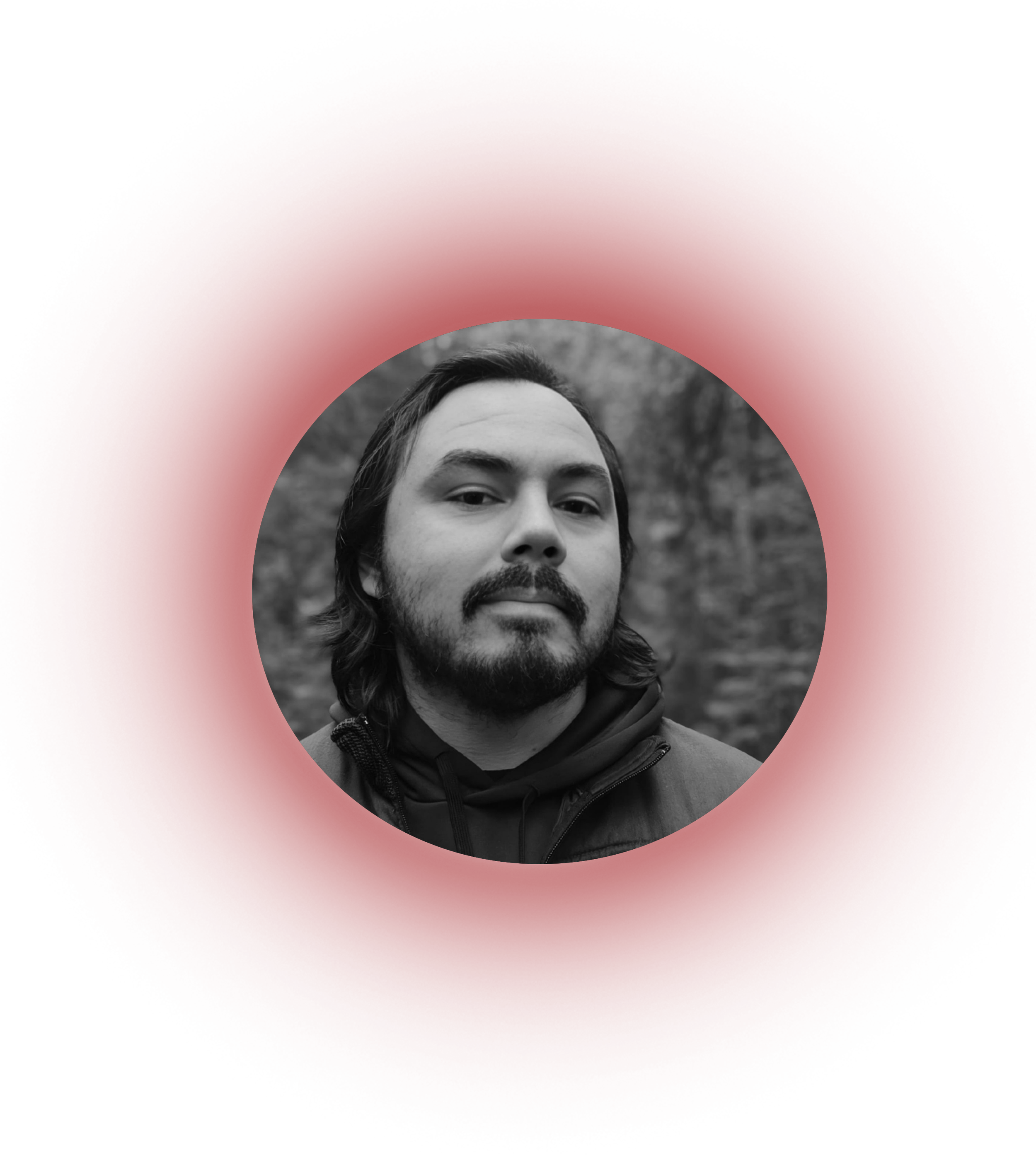
David Pitawanakwat
David Pitawanakwat is an Anishinaabe scholar, community leader, and veteran whose work connects traditional Indigenous lifeways with urban activism across the Detroit-Windsor border. Originally from Wiikwemkoong Unceded Territory, he holds a dual Juris Doctorate from the University of Detroit Mercy and the University of Windsor Faculty of Law, where he graduated as valedictorian in 2022. Guided by a strong commitment to community and natural law, David has spearheaded vital grassroots initiatives, notably co-organizing the Detroit Sugarbush Project to bring traditional seasonal maple harvesting to urban youth and serving with the Waawiiyaataanong Arts Council to advocate for Native arts. Combining his legal background with a history of community service, ranging from supporting homeless veterans to raising public awareness for the Missing and Murdered Indigenous Women, Girls, and Two-Spirit (MMIWG2S) movement, David continues to bridge cultural stewardship and community advocacy across Michigan.
STEWARDSHIP CIRCLE
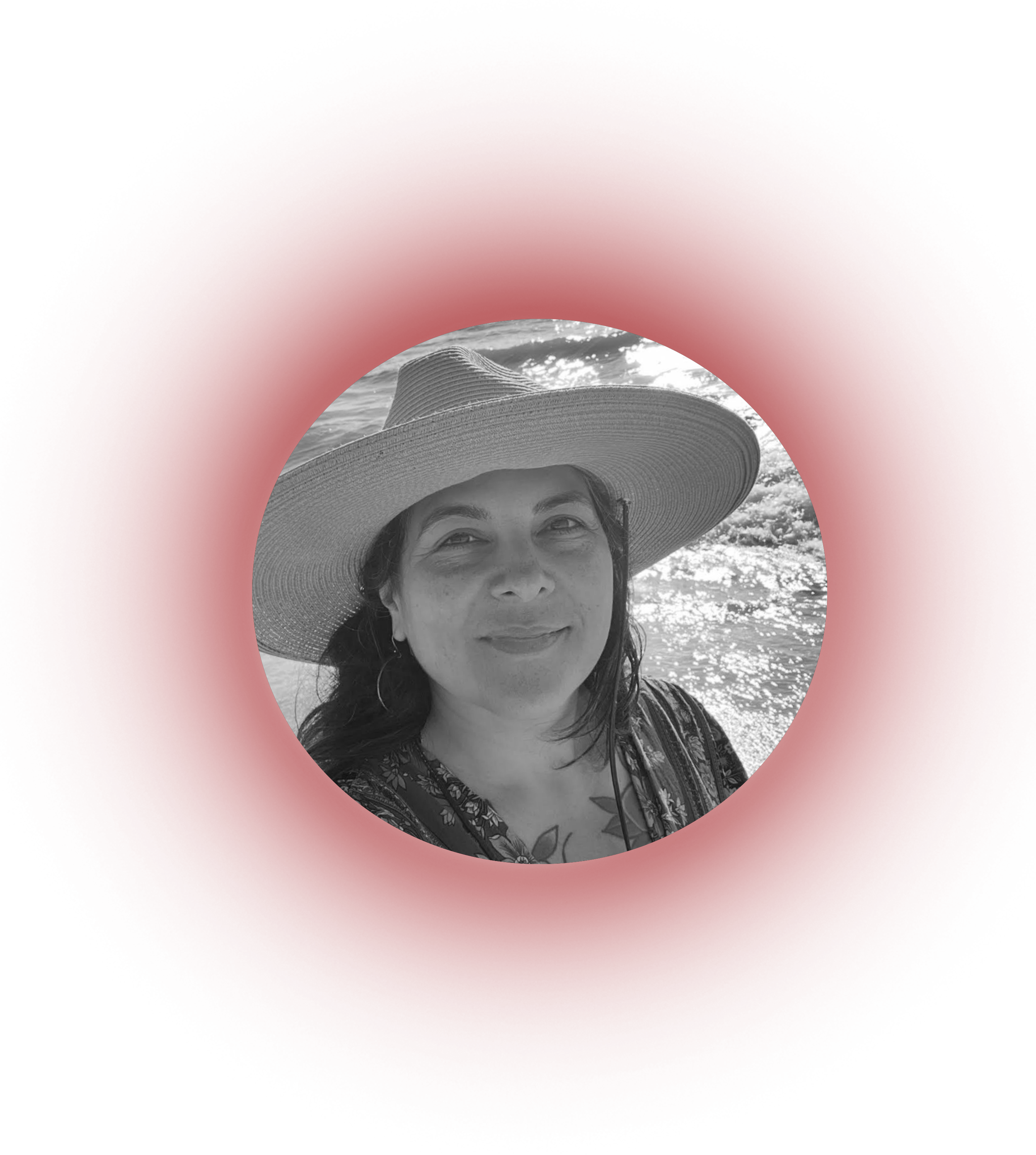
Dr. Diana Wasaanggokwe Seales is a seasoned advocate for environmental justice and a scholar-practitioner whose work centers Indigenous feminism, climate resilience, and community-led solutions to environmental challenges. With extensive experience in project management, research, and grassroots organizing, Seales builds impactful alliances between environmental organizations, Tribal communities, community groups, and academic institutions to address pressing environmental health and justice concerns.
From 2011 to 2023, she served as President of the Grassroots Global Justice (GGJ) board and held leadership roles on the Executive Board and as Communications Chair for the Overbrook Foundation’s Building Equity and Alignment for Environmental Justice initiative. She currently contributes her expertise on the granting board for the Environmental Protection Agency (EPA) and the Minnesota Foundation’s Vibrant Communities initiative.
Seales leads research and program evaluation partnerships with the Nokomis Anishinaabe Cultural Center, supporting Indigenous-led cultural restoration, environmental health education, and community storytelling. Her collaboration with Hemp 4 Humanity advances the development of natural fiber home solutions to houselessness and energy insecurity, integrating bio-based materials innovation with community priorities. In parallel, she works with Heart of New Earth to co-develop a place-based pipeline for sustainable building practices that weaves together traditional ecological knowledge, regenerative design, and community economic development.
Her research explores Indigenous futurism, grassroots innovations in climate adaptation, and women-led strategies for ecological resilience. Through her multifaceted approach, Seales remains dedicated to advancing environmental justice, empowering communities, and fostering social and ecological well-being across the Great Lakes region and beyond.
Dr. Diana Wasaanggokwe Seales
STEWARDSHIP CIRCLE
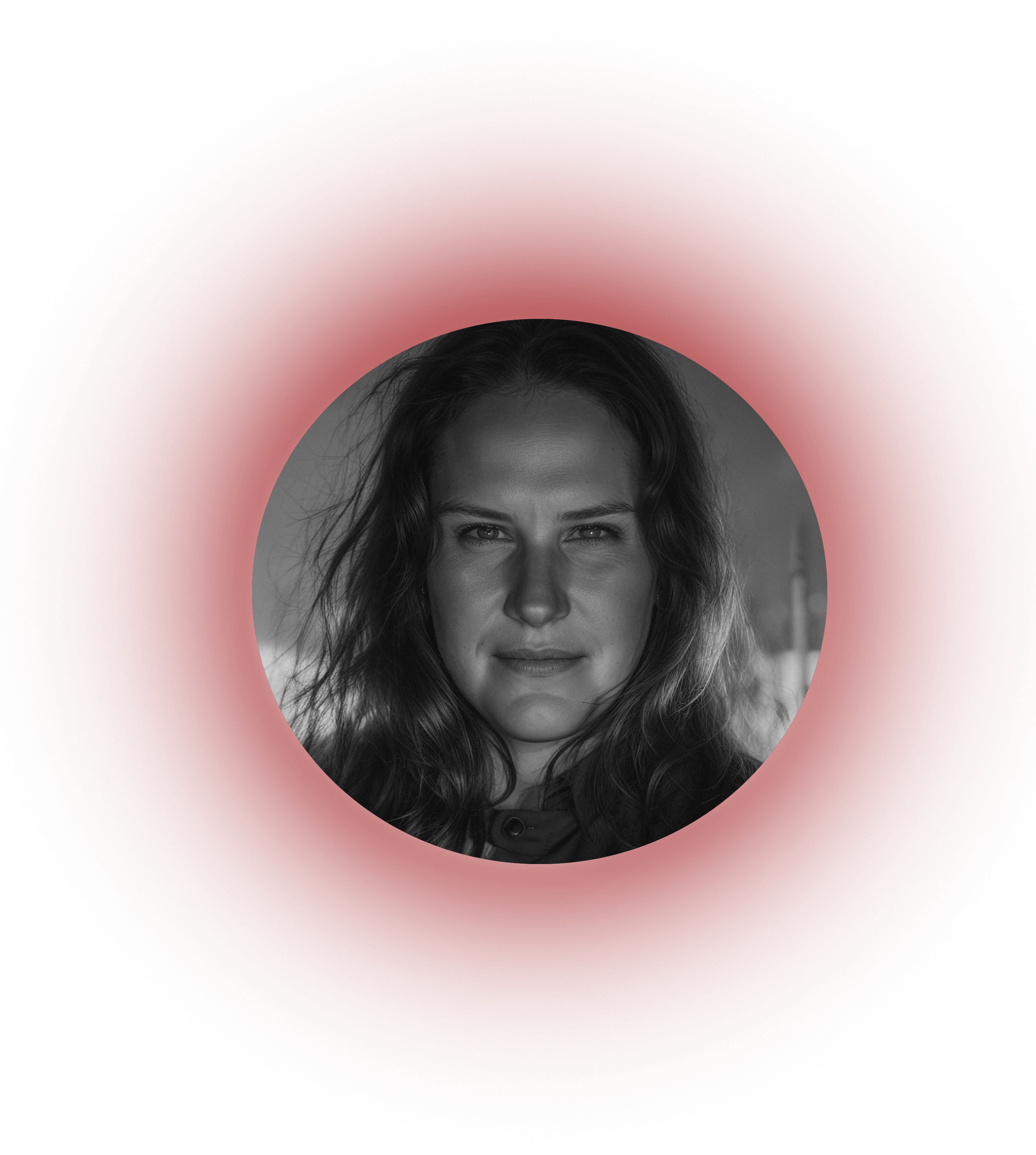
Dr. Diana Quinn
STEWARDSHIP CIRCLE
Diana Quinn, ND (she/they) is a licensed naturopathic doctor, healing justice practitioner, and chaplain. She earned her Doctorate of Naturopathic Medicine from National University of Natural Medicine and practiced for 15 years, specializing in chronic illness, integrative oncology, mind/body medicine, and mental health.
Dr. Quinn is the former Director of Clinical Education at the Naropa Center for Psychedelic Studies. Their contribution to the field of psychedelic medicine included numerous trainings, publications, legislative advocacy, and service on advisory boards with an emphasis on ethical integrity, equity, accessibility, and Indigenous reciprocity.
Diana was born and raised in Southeast Michigan, a third generation Mexican American of interrupted Indigenous descent and Spanish, British, Irish, and Scottish heritage. She lives in Ann Arbor where she provides spiritual care and facilitation rooted in healing traditions of curanderismo.
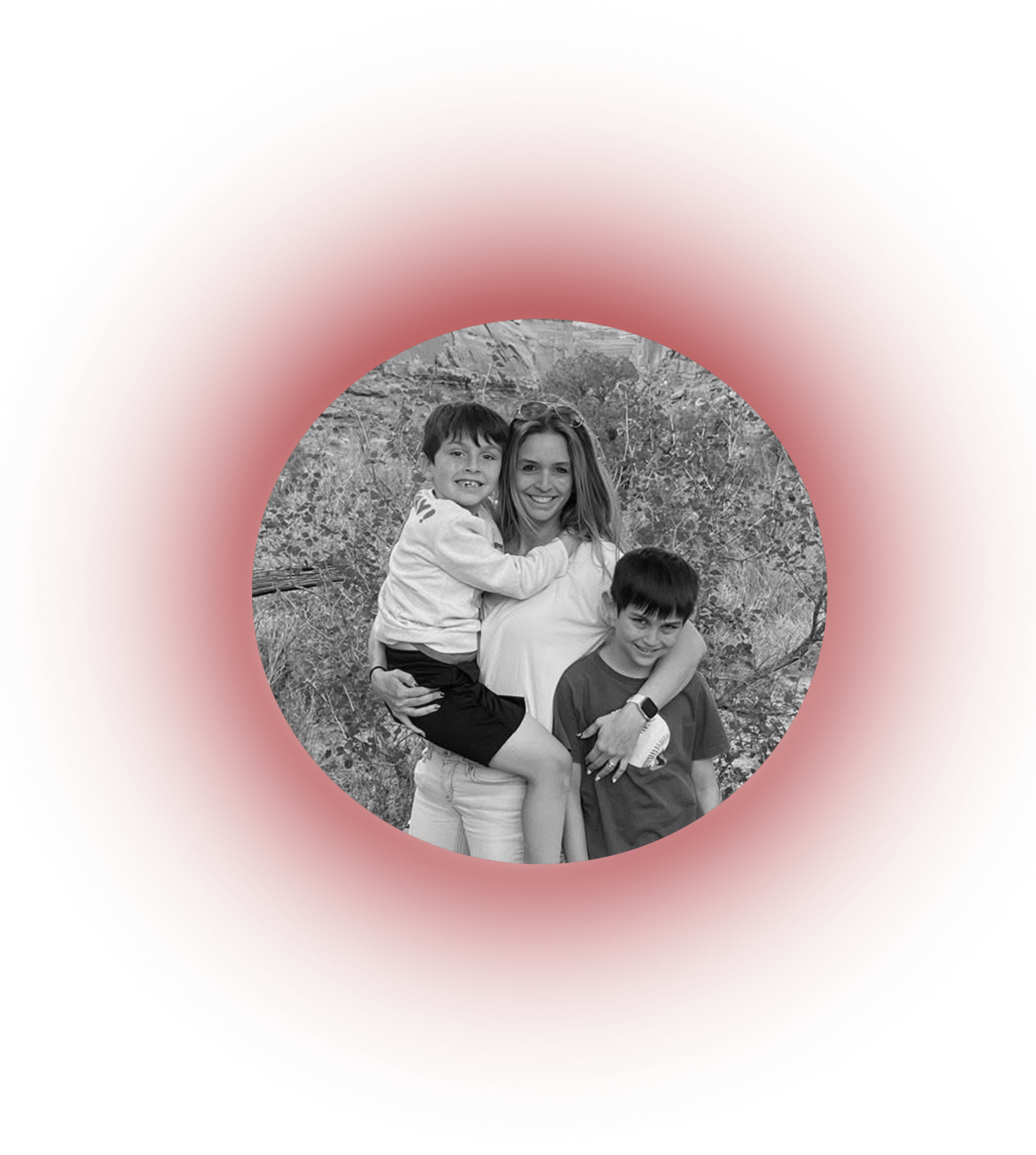
Sherrie McCumber
Sherrie McCumber is a mixed‑heritage mother of two boys, carrying her mother’s Ecuadorian roots, grounded in the place where her mother was born, and her father’s European immigrant lineage, each shaping her understanding of identity, resilience, and the work of repair. She spent fifteen years in San Diego before returning home to Illinois with her husband, where they continue to build a life grounded in family, community, and shared values.
Sherrie is a paralegal by training with experience supporting community‑rooted legal and organizational efforts. Guided by her heritage and a deep respect for relational ways of working, she focuses on building systems grounded in care, integrity, and cross‑cultural collaboration.
Her personal relationship with neurodivergence deeply shapes her worldview. As the mother of a neurodivergent son, she is a fierce advocate for his needs and for the broader systems that support children like him. This advocacy informs her commitment to creating environments - at home, in community, and within organizations - that honor difference, dignity, and the full humanity of each person.
Outside of work, Sherrie finds grounding in nature - hiking, being on the water, and spending time outdoors with her husband and sons. She brings a steady, relational presence to her work and community, guided by her heritage, her family, and a deep commitment to integrity and care.